

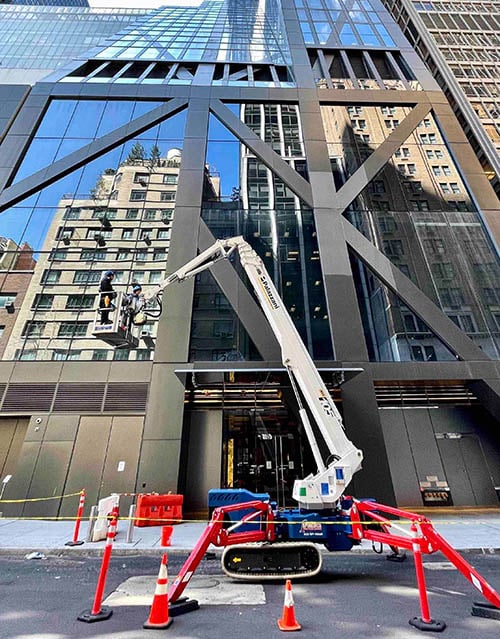
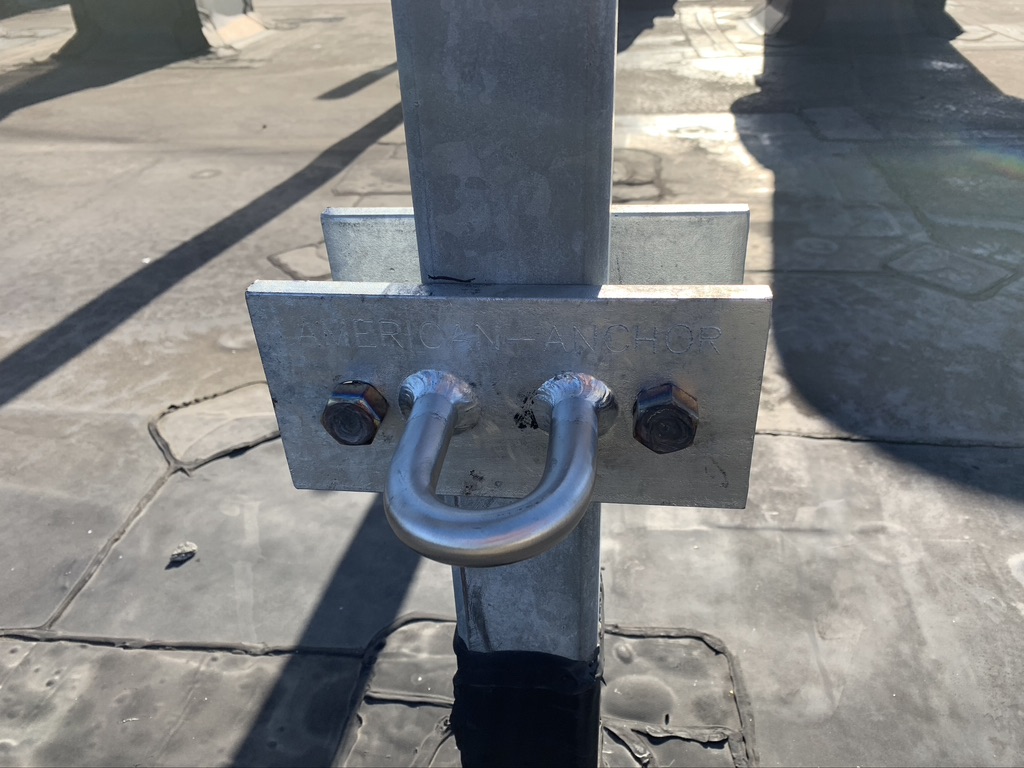
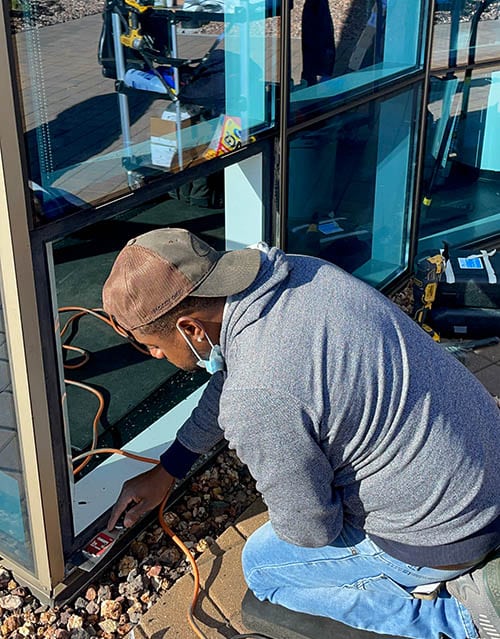
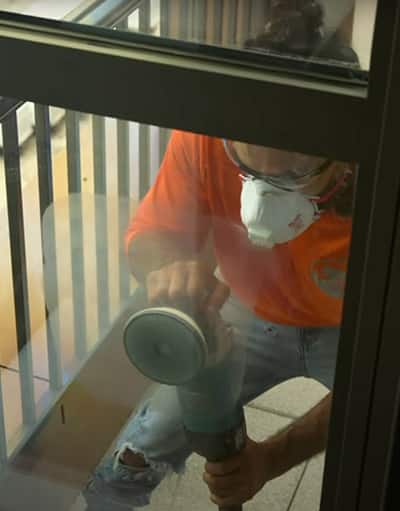
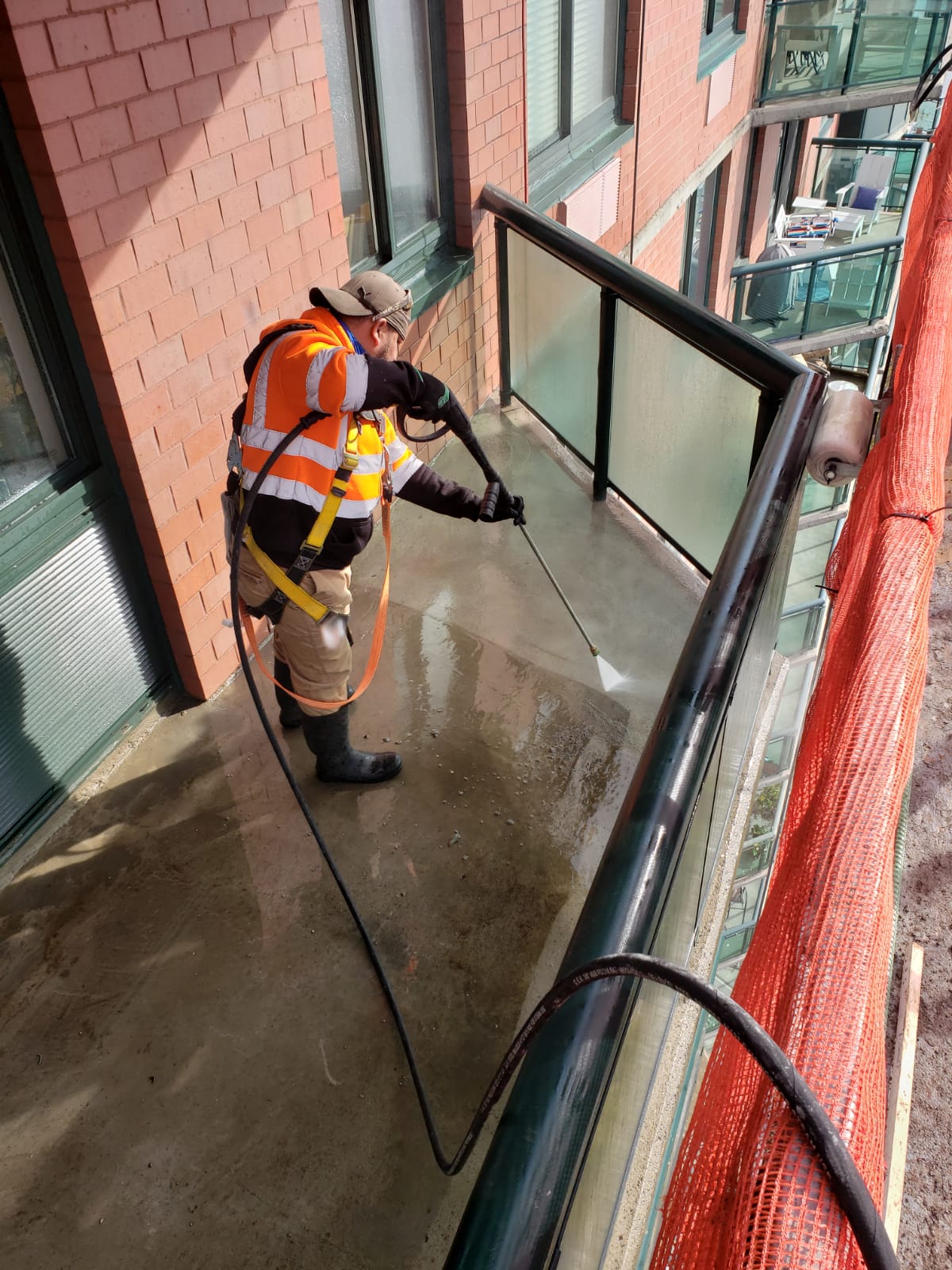
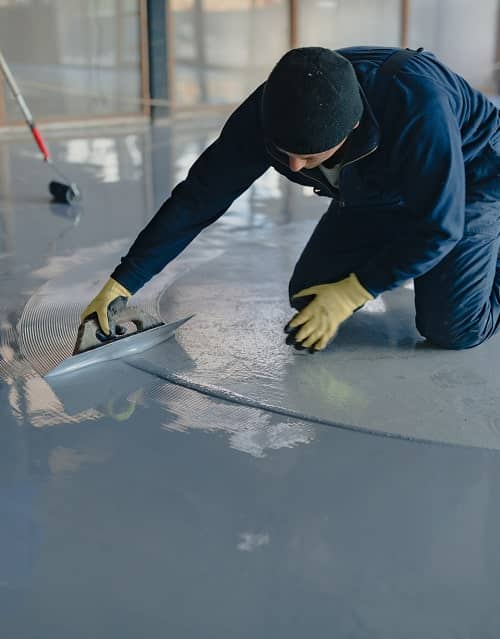
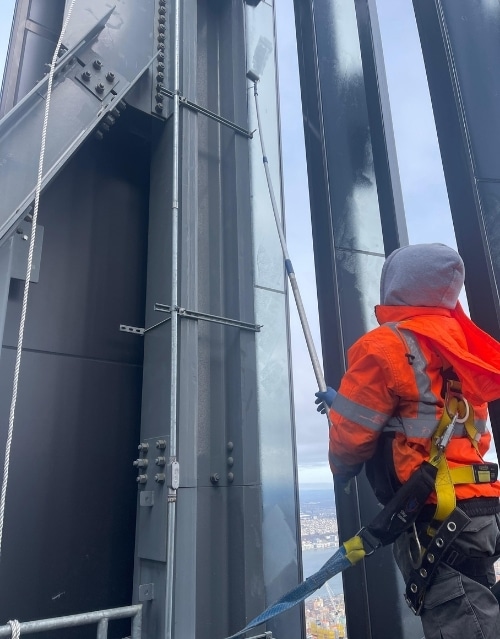
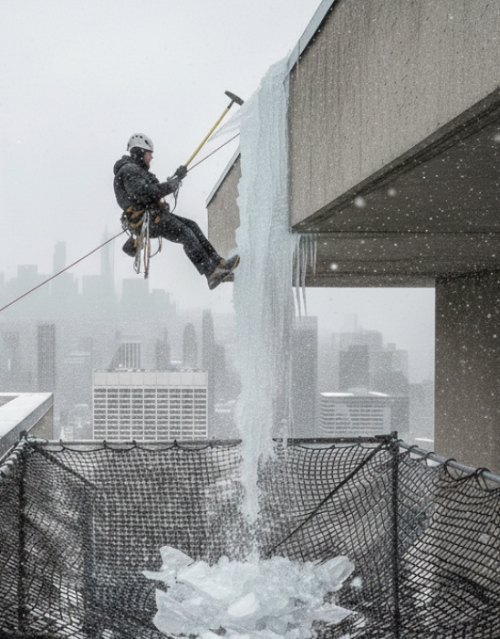
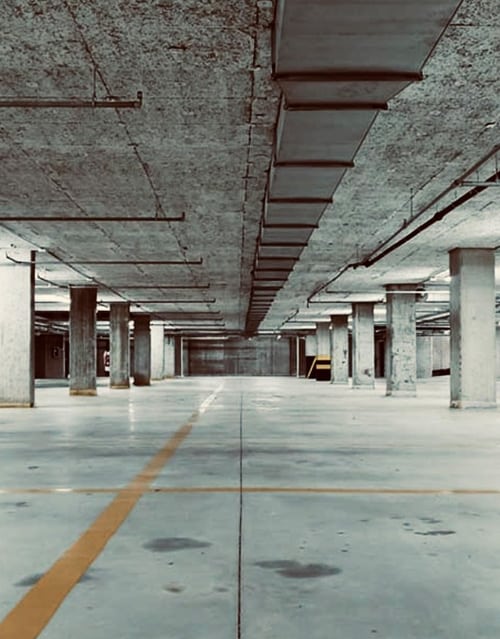


Have you ever seen small cracks in the walls, ceilings, or floors of your building, and ignored them, only to see them turn into much bigger issues over time? In façade restoration, this is a common story. What starts as a minor, almost invisible issue can slowly develop into costly repairs if not addressed early.
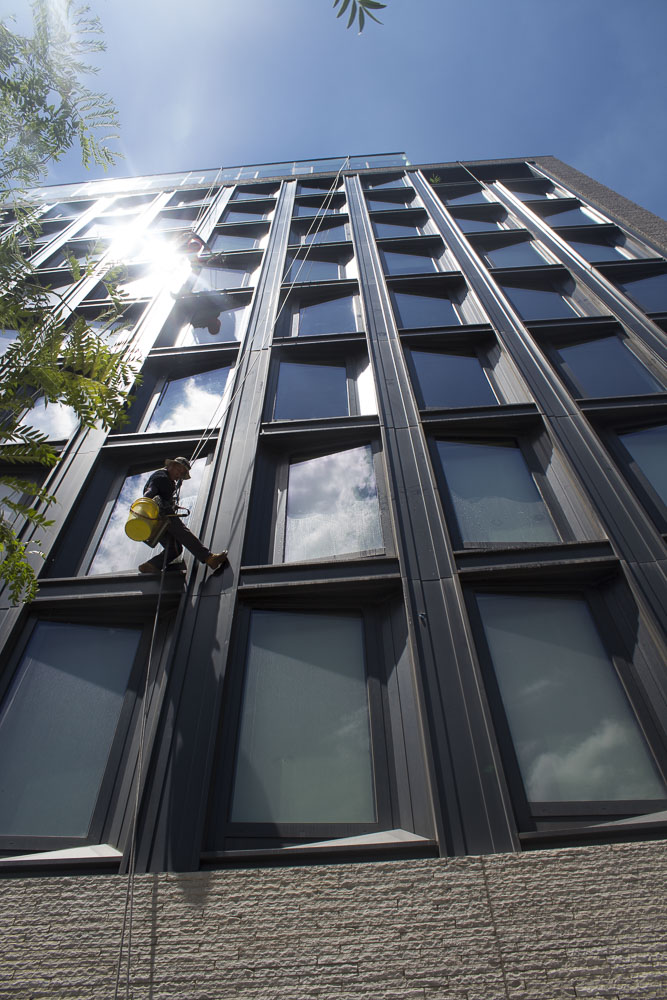
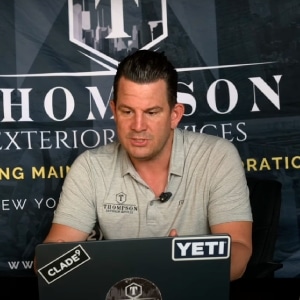
At Thompson Exterior Services, we work closely with property managers to help identify and prevent these problems before they escalate. To better understand what’s really happening behind these issues, we spoke with Tim Thompson, our Chief Estimator & Architectural Engineering Lead, who brings nearly 45 years of experience in the façade restoration industry.
How Building Materials Age and Deteriorate
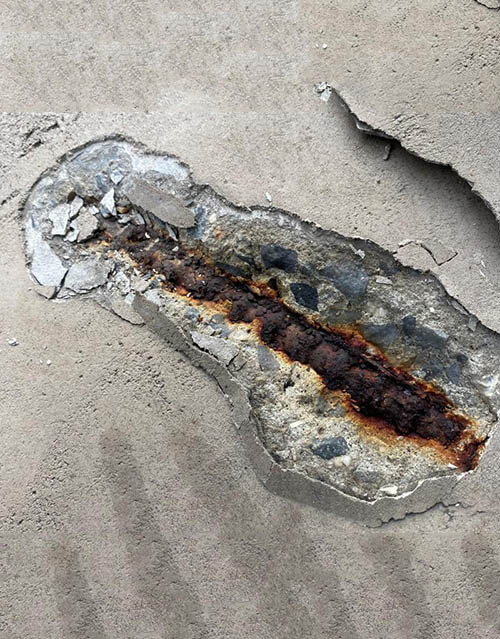
All building materials are affected by time, weather exposure, and environmental conditions. What may seem like isolated issues are often part of a broader and predictable deterioration process.
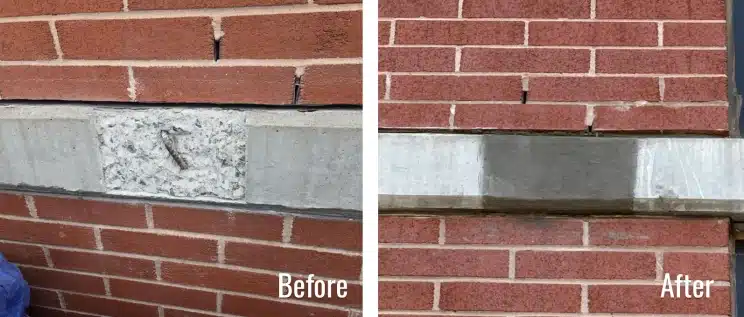
Tim explains:
Materials fail in different ways and understanding that is key to effective maintenance. Without regular evaluation, these processes can quickly lead to more serious issues.
Water Infiltration: The Most Common and Overlooked Risk
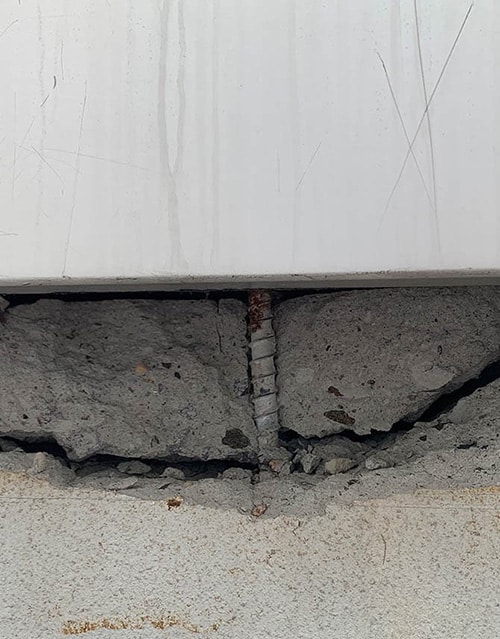
One of the most consistent issues across buildings is water infiltration, and one of the most underestimated issues. Water typically enters through failed sealants, cracks, or weak transition points between materials.
What makes it particularly challenging is the delay between entry and visible damage. In many cases, water can remain within the building envelope for years before the problem becomes evident.
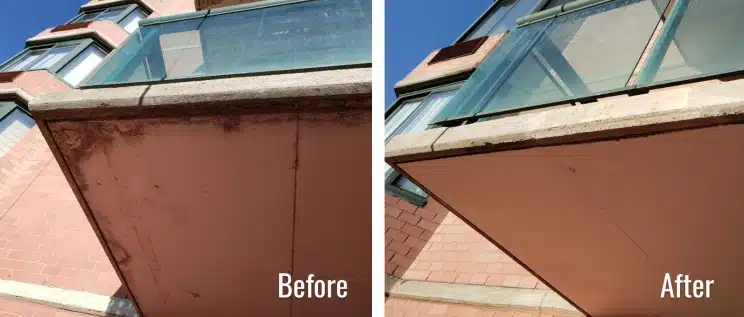
Tim elaborates,
Why Proactive Maintenance Makes a Difference
Acting early is key. In Tim’s words:
In many cases, property owners are not fully prepared for large-scale repairs, which is why early evaluation and consistent maintenance strategies are essential to avoid unexpected costs.
Final Advice for Property Managers
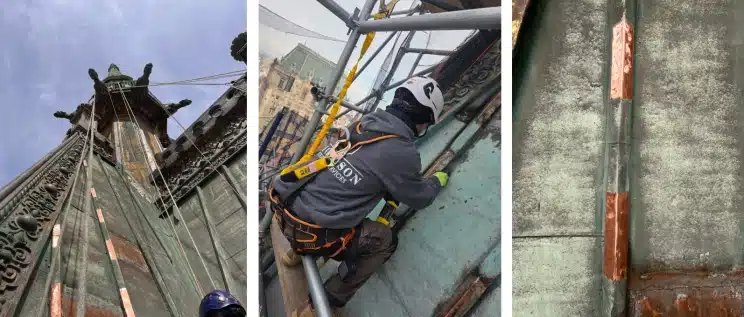
Property managers play a critical role in maintaining building performance and ensuring long-term value. We asked Tim what steps should be taken after a restoration project to keep a building in the best condition over time. He shared the following:
“My suggestion is to maintain the following both on site and in digital format:
- Thorough maintenance/repair records
- All engineer reports
- Product data and safety sheets used for maintenance/repair items
- All original design drawings for the buildings
- All repair design drawings and specifications
- Advance scheduling of regular periodic inspections by qualified Architects, Engineers, or other experienced building professionals”
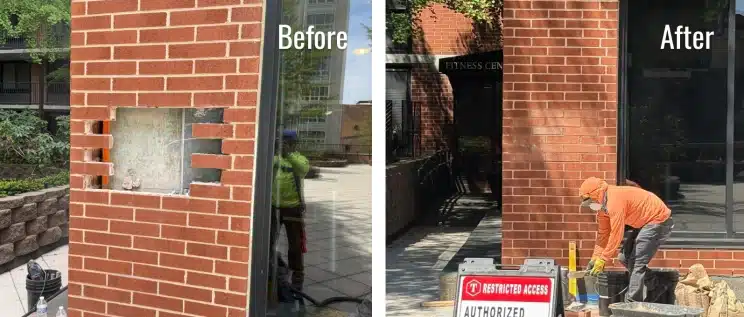
Building deterioration is inevitable, but the way it is managed makes all the difference. With the right level of awareness, planning, and expert support, property managers can reduce risk, control costs, and extend the life of their buildings.
So, if you are noticing early signs of deterioration, or want a clearer understanding of your building’s condition, contact Thompson Exterior Services to schedule a professional evaluation and assist in the development of a restoration and maintenance plan tailored to your property.