



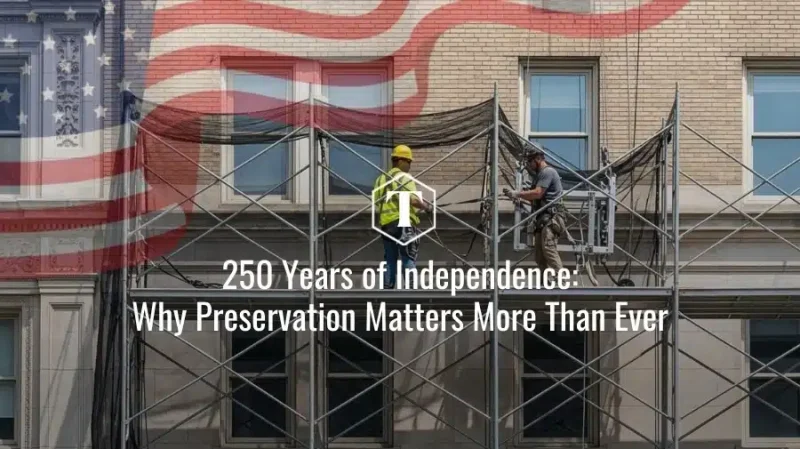
As the United States celebrates 250 years of independence, for most of us, this milestone brings to mind fireworks, historic moments, and the people who helped build the nation. Yet one of the greatest reminders of our nation’s history often stands quietly in plain sight: the buildings that have witnessed generations of change.
Walk through New York City and you’ll find history on nearly every block: historic landmarks, pre-war apartment buildings, office towers, and residential buildings that have shaped the skyline for decades. Some have stood for more than a century and continue to serve thousands of people every day.
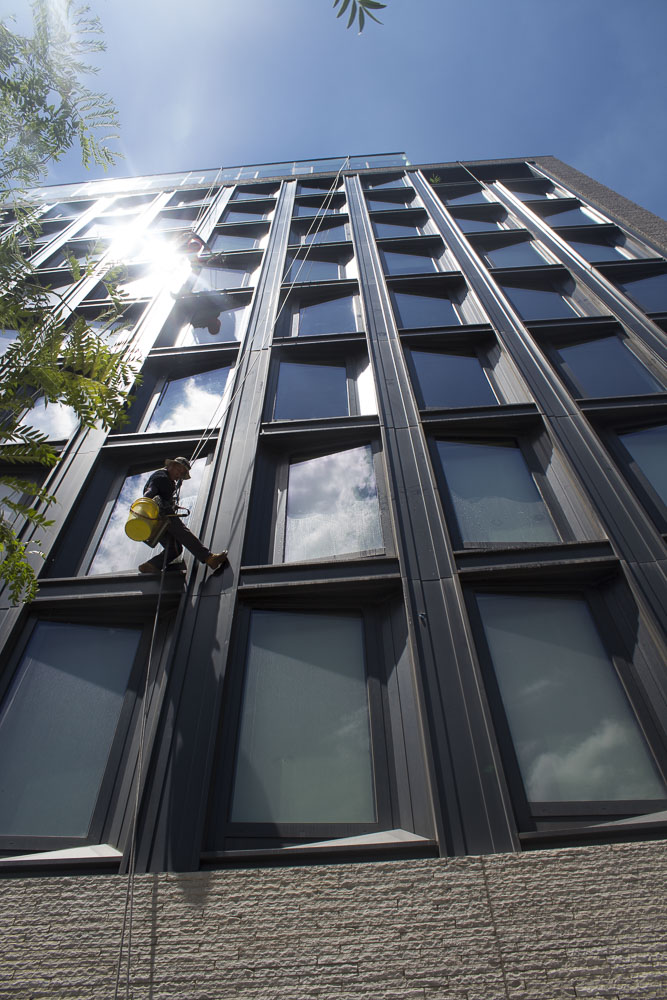
Their longevity isn’t a coincidence. It’s the result of regular inspections, maintenance, restoration, and people who understood that preserving a building is an ongoing responsibility. As we celebrate 250 years of American history, it’s worth recognizing the role these buildings play in preserving it.
Every Building Has a Story
Some buildings have welcomed generations of families. Others have become symbols of the neighborhoods around them. Together, they give cities like New York their unique character.
One building that perfectly reflects this is The Sherry-Netherland Hotel. Completed in 1927, it has overlooked Central Park for nearly a century and remains one of Manhattan’s most recognizable landmarks. Its distinctive Gothic-inspired roof has become part of the city’s identity and shows how great architecture can stand the test of time.
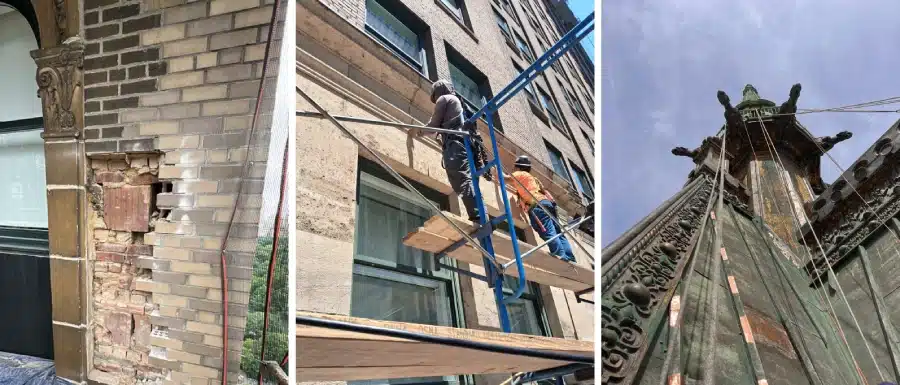
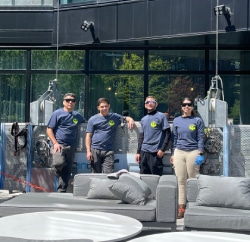
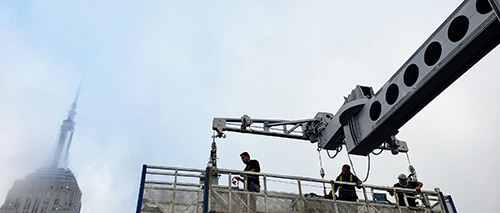
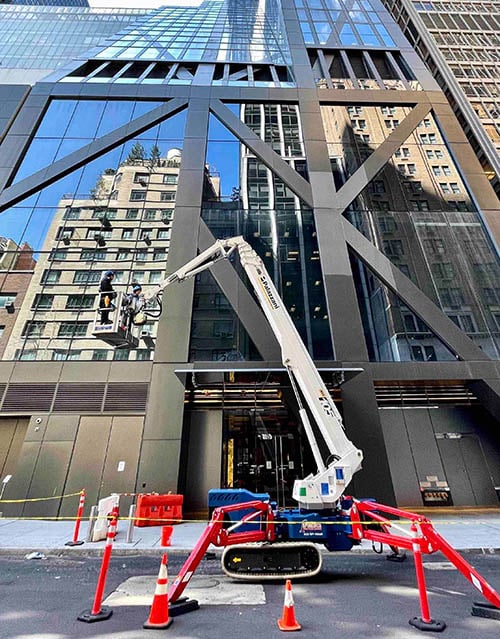
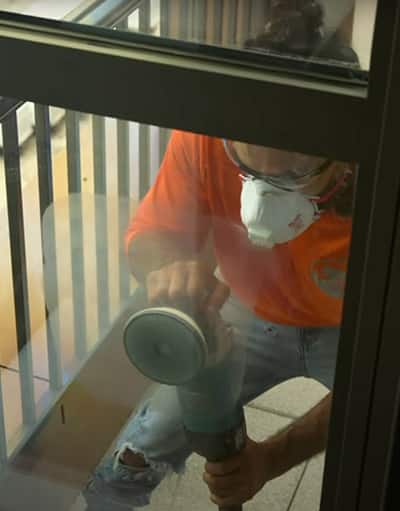
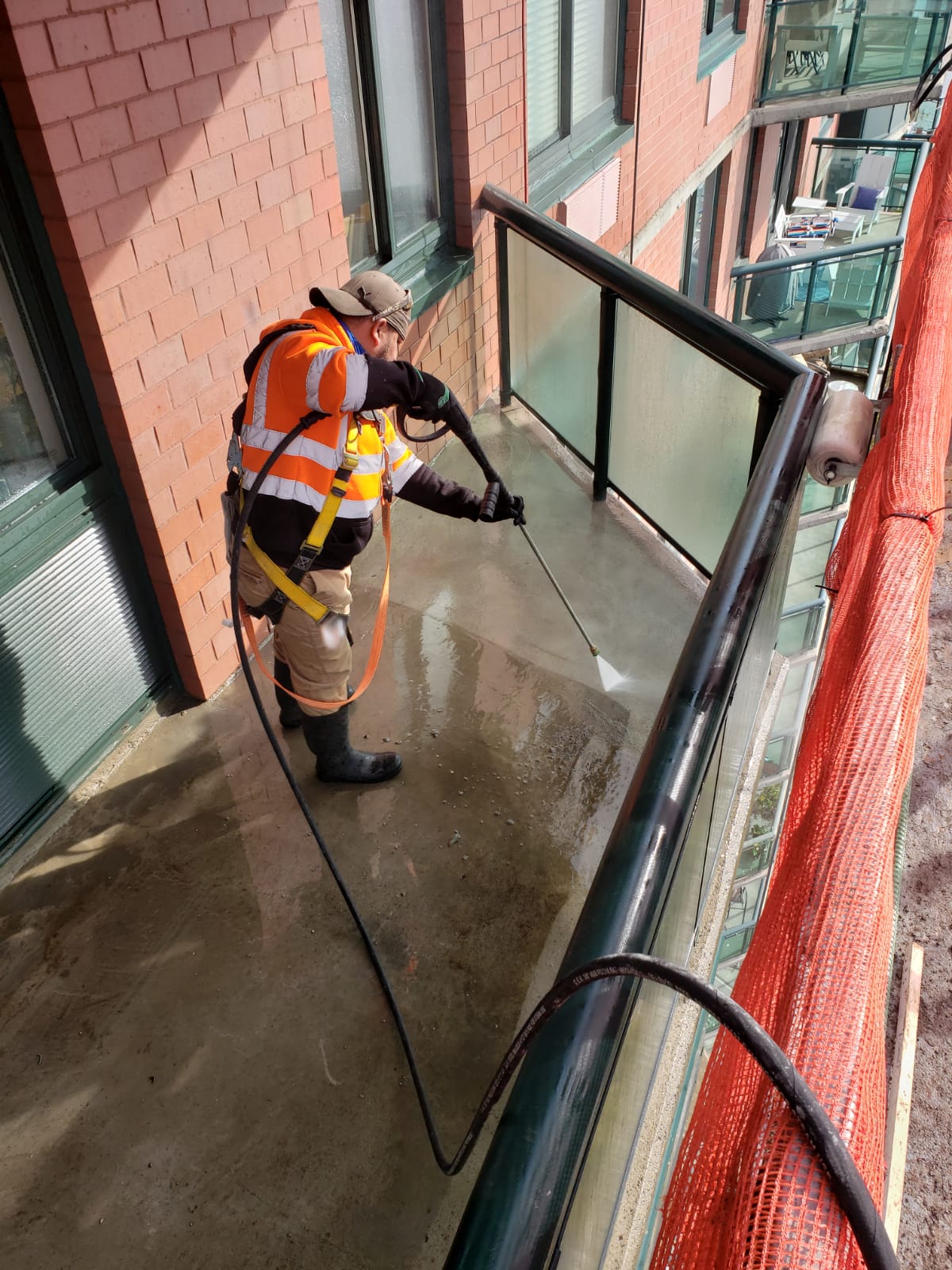
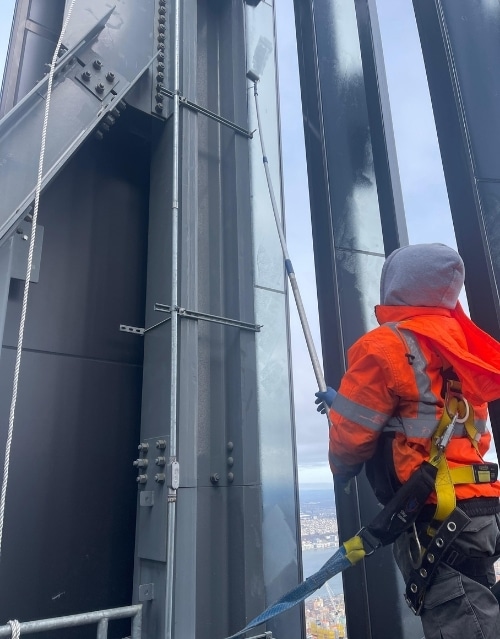
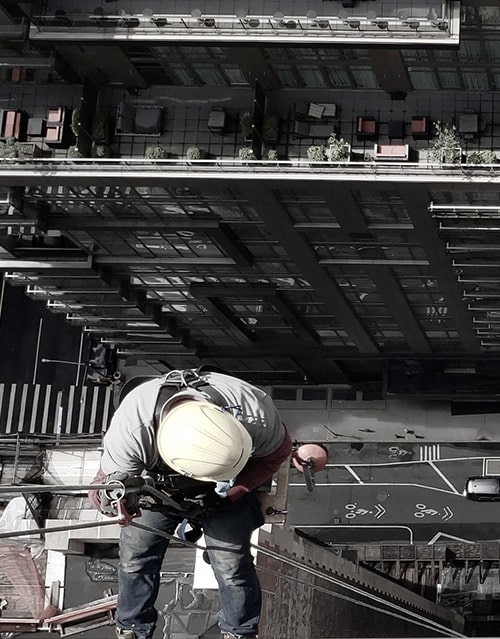
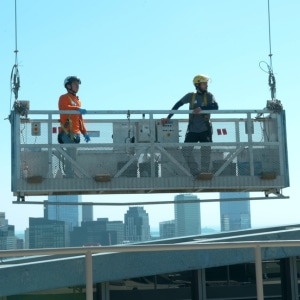
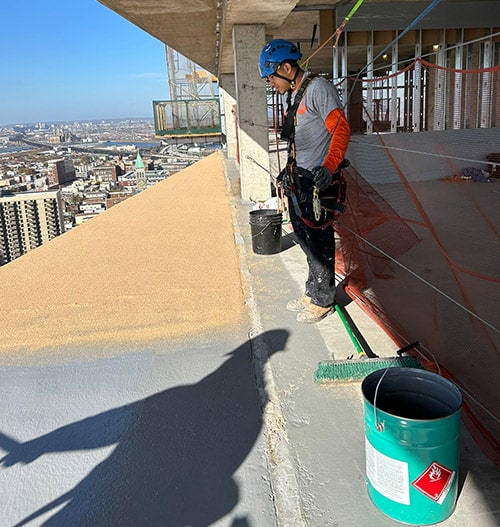
At Thompson Exterior Services, we’ve had the privilege of contributing to restoration work on buildings like the Sherry-Netherland. Experiences like this remind us that historic buildings don’t survive simply because they were well built. They last because generations invested in inspections, preventive maintenance, waterproofing, and restoration before small issues became major repairs.
That’s not luck. It’s planning.
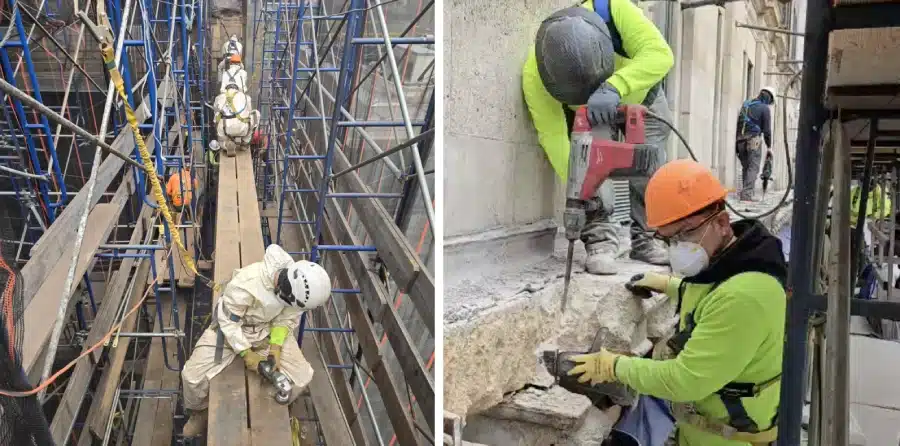
Time Affects Every Building
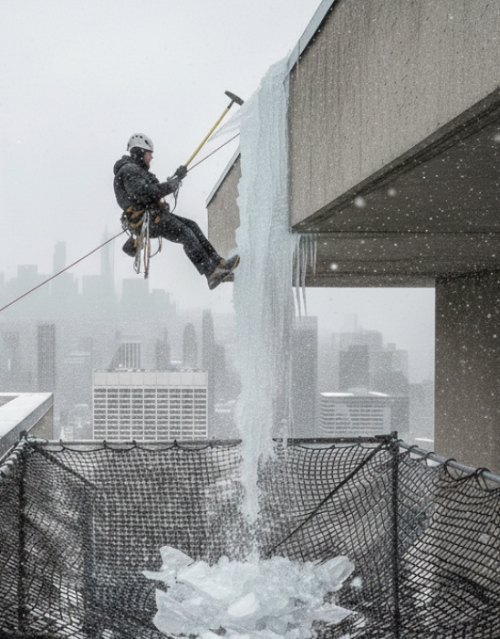
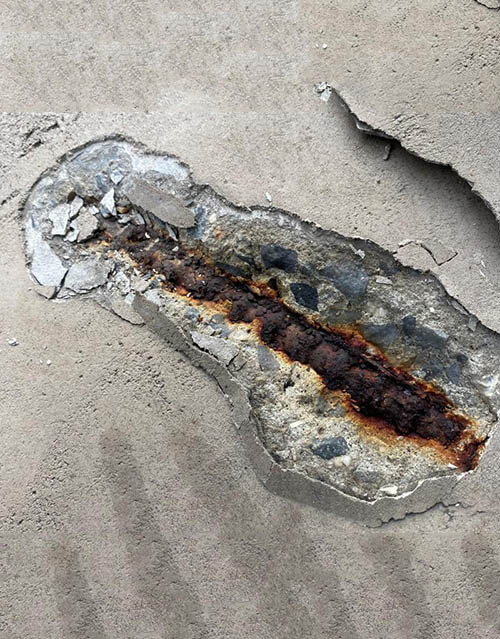
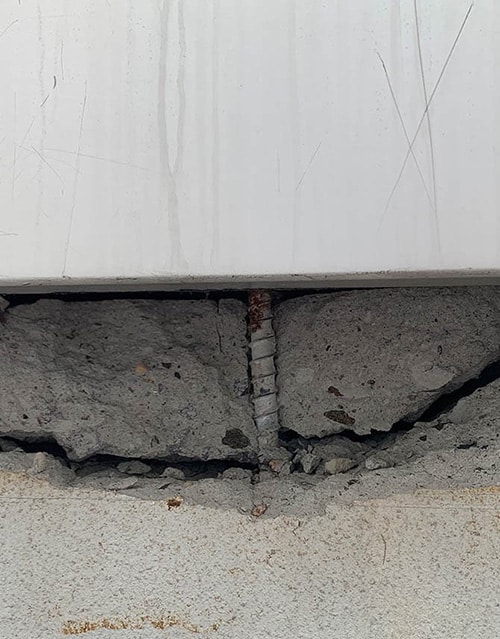
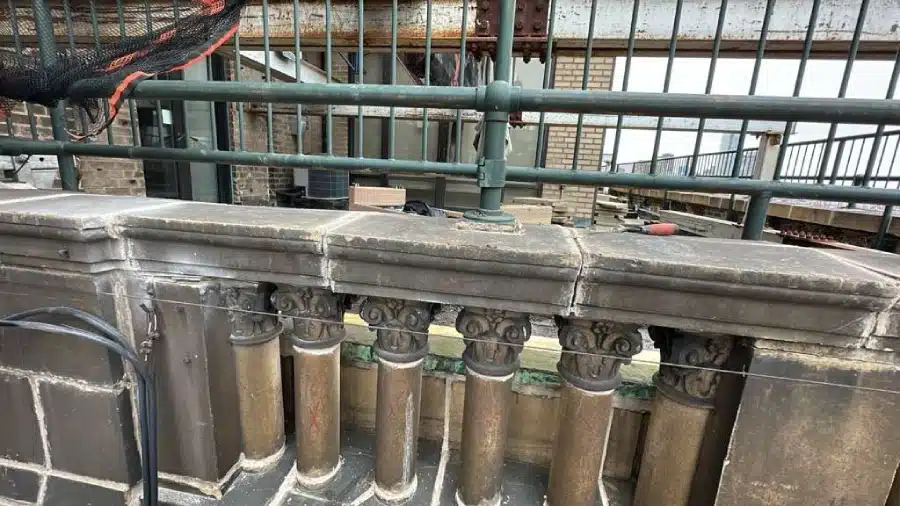
No building is immune to time. Weather, moisture, and changing temperatures slowly affect every material. Steel rusts, concrete cracks, sealants wear out, and copper naturally oxidizes. The challenge is that these problems usually start small.
A hairline crack or a worn sealant joint may not seem urgent, but once water finds its way into the building, deterioration can spread quickly, turning a simple repair into a much larger and more expensive project.
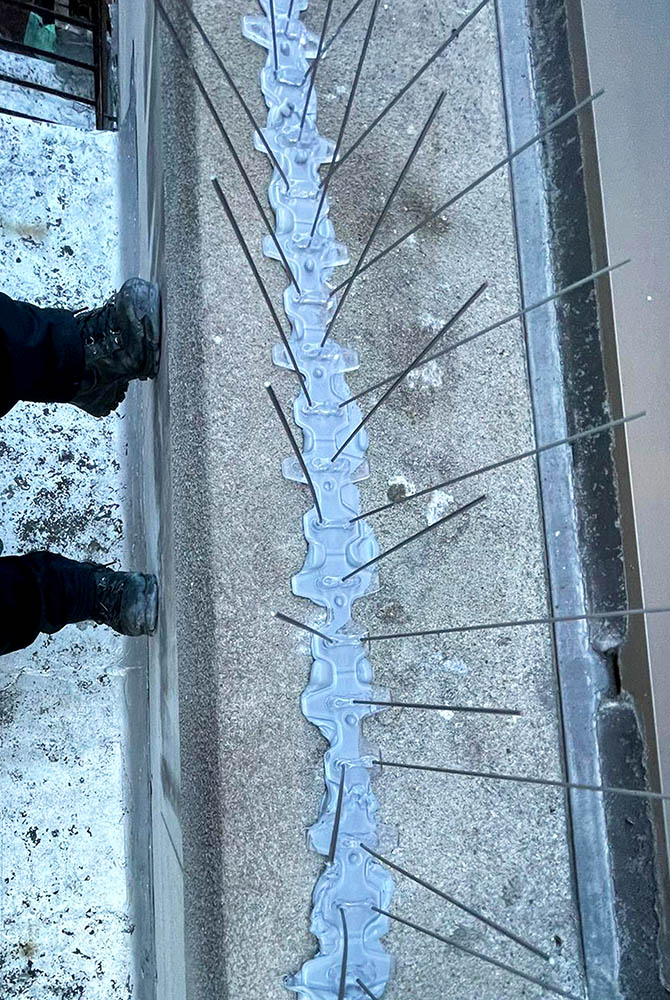
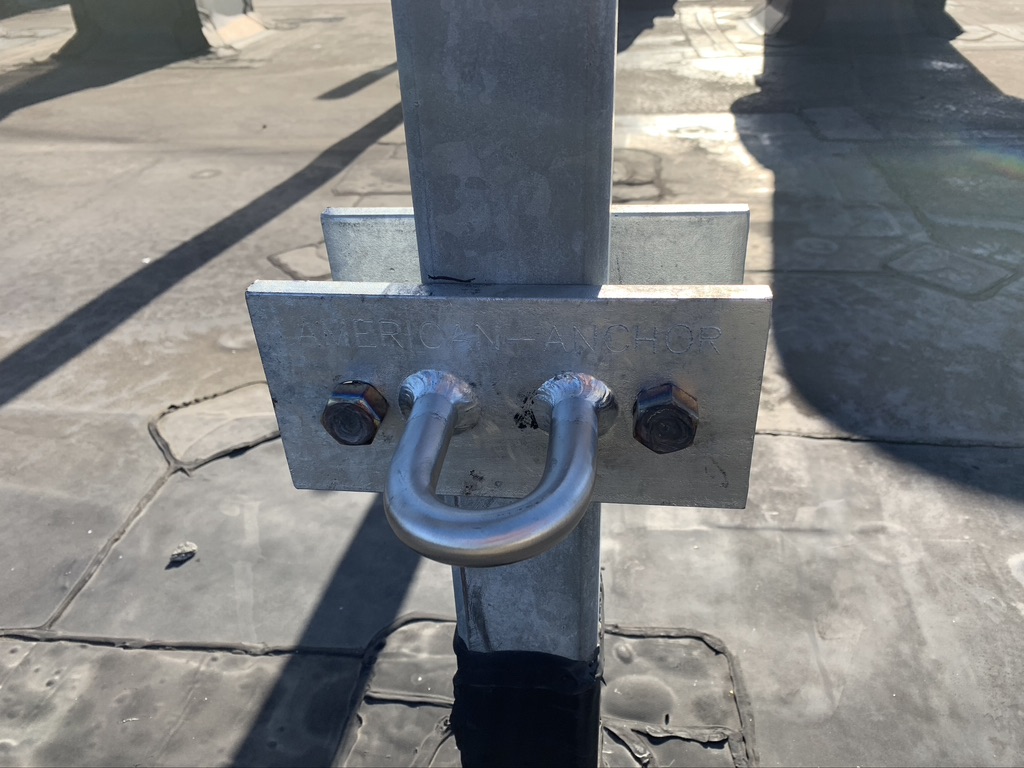
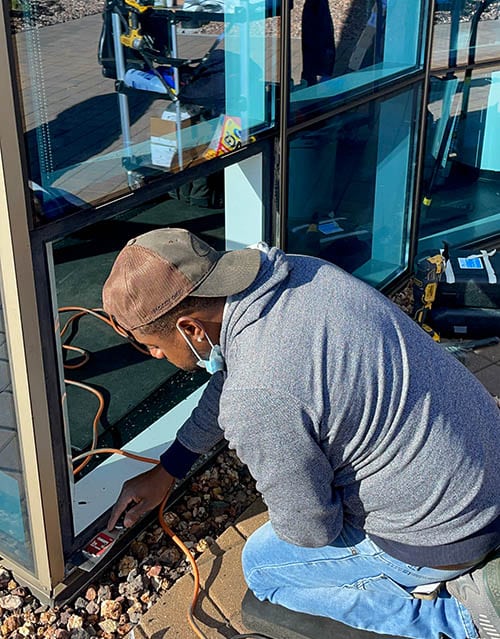
That’s why routine inspections and preventive maintenance are important. Identifying problems early helps extend the life of a building while reducing future repair costs.
Preserving the Next 250 Years
We’re proud to be part of an industry that helps preserve the buildings where people live, work, learn, and build their communities.
History isn’t only preserved in monuments. It’s preserved every time we choose to protect the buildings that tell our story.
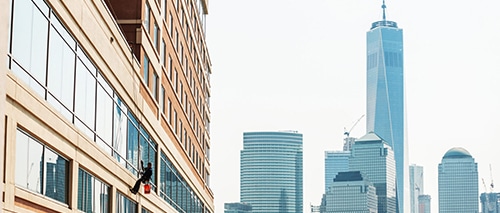
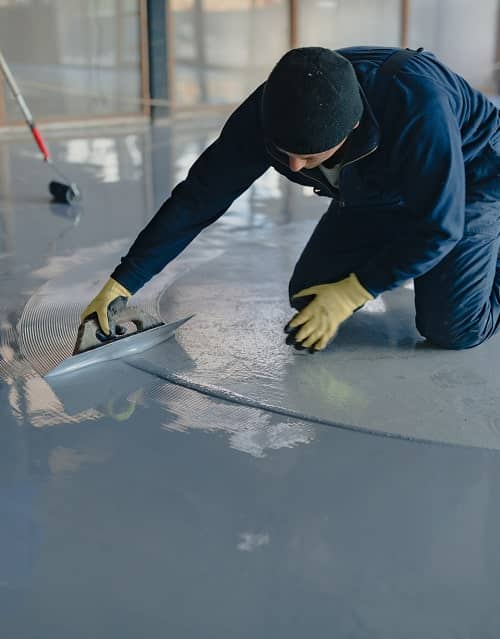
Every façade inspection, waterproofing project, restoration, and maintenance plan helps protect these buildings for the future.
The buildings we care for today will become part of tomorrow’s history. If you’re planning your next maintenance or restoration project, now is the time to look ahead. Our team is ready to help you protect your building for the next generation.